
Monster Hunter Wilds (2026): A Complete Experience Review of the Next-Gen Hunting World

v3.4
Monster Hunter Wilds (2026) is an open-world action role-playing game where players take on the role of a hunter exploring dynamic environments, tracking powerful creatures, and crafting gear from their hunts.
DownloadTELEGRAM
4.6/5 Votes: 98,758
Updated
just now
Size
45MB
Version
v3.4
Requirements
PC/iOs/Android
Downloads
5K
Report this app

Description

A Fresh Look at Mobile Gaming in 2026

In 2026, the expectations around gaming have shifted noticeably. Players now look for experiences that feel alive, responsive, and worth returning to not just visually impressive, but emotionally engaging too. Monster Hunter Wilds steps into this landscape with a familiar foundation but a noticeably evolved approach.
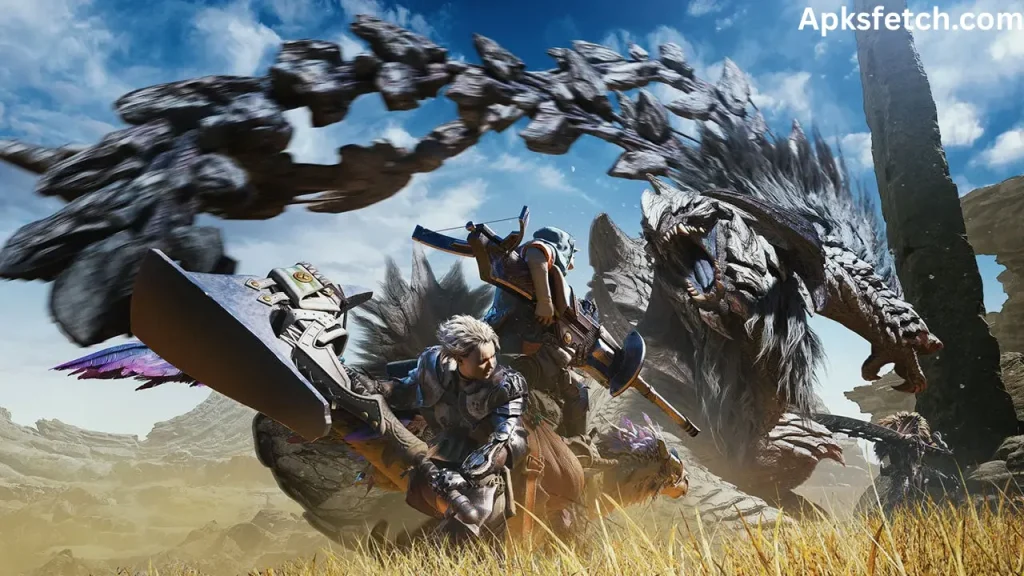
At its core, this is a game about tracking, observing, and engaging with a dynamic world. It doesn’t rush you. Instead, it encourages patience and awareness. Whether you’re exploring vast terrains or preparing for a hunt, the experience leans more toward immersion than speed. It feels less like a quick mobile distraction and more like a full, considered gaming session. More Game Pragmata

First-Time Experience: What Players Notice Immediately

The first moments in Monster Hunter Wilds are calm but intentional. There’s no overwhelming flood of menus or aggressive tutorials. Instead, the game introduces its systems gradually, letting players absorb the environment first.

New players will likely notice the scale right away. The world feels open, not just in size but in behavior. Creatures move naturally, weather shifts subtly, and your presence doesn’t dominate everything instantly. This creates a quiet sense of respect between player and environment.

The interface is clean and readable. Even if you’re new to this type of game, nothing feels overly complex at the start. It’s designed to ease players in rather than test them immediately.

Learning Flow and Interaction Design

The learning curve in Monster Hunter Wilds is steady rather than steep. Early encounters are forgiving, allowing you to experiment with movement, timing, and tools. Controls feel responsive, which is crucial for a game built around precision. Attacks connect clearly, movement feels weighted but not slow, and feedback from actions like hits or dodges comes across naturally.

Interaction design also deserves attention. Menus are structured logically, and transitions between actions (like crafting or equipping gear) feel smooth. It’s not overly simplified, but it avoids unnecessary friction. For players willing to invest time, the mechanics reveal depth gradually. This layered approach makes the experience feel rewarding without being overwhelming.

Visual Identity and Overall Atmosphere

Visually, Monster Hunter Wilds leans toward realism without becoming heavy or cluttered. Landscapes feel lived-in rather than decorative. Dust, wind, and lighting all contribute to a grounded atmosphere.

Character and creature designs are detailed but practical. Nothing feels exaggerated just for attention. Instead, there’s a focus on believability, even within a fantasy setting.

The overall atmosphere shifts depending on where you are. Some areas feel calm and open, while others create tension through lighting and sound cues. This variation keeps exploration engaging over time.

Audio Design and Background Experience

Sound design plays a quiet but important role here. Background audio is subtle wind, distant movement, environmental tones—rather than constant music. When music does appear, it usually supports specific moments like encounters or exploration milestones. It doesn’t overpower the experience.

Combat sounds are clear and satisfying. Each action has weight, and the feedback helps players understand timing and impact. This contributes to both immersion and gameplay clarity. For longer sessions, the audio remains comfortable rather than tiring, which is often overlooked in many games.

Core Gameplay Activities and Variety

At its heart, Monster Hunter Wilds revolves around hunting and preparation. But within that loop, there’s a surprising amount of variety.

Players spend time:

  • Tracking creatures through environments
  • Preparing gear and items
  • Engaging in strategic combat
  • Exploring different regions
  • Managing resources

Each activity connects naturally to the next. You don’t feel like you’re switching between unrelated tasks. Instead, everything feeds into a larger cycle of preparation and execution.

Over time, new elements are introduced, keeping the experience from becoming repetitive.

Progression System and Player Motivation

Progression is steady and meaningful. Instead of quick rewards, the game focuses on gradual improvement.

You unlock better equipment, refine your strategies, and become more efficient over time. This creates a sense of growth that feels earned rather than handed out.

Motivation comes from mastery rather than speed. You’re encouraged to learn patterns, improve timing, and adapt your approach. This makes each success feel satisfying.

There’s no pressure to rush. The game respects different play styles, whether you prefer slow exploration or focused progression.

Personalization and Control Options

Customization exists but stays grounded. You can adjust your equipment, choose different approaches to combat, and refine your play style. Controls can be adjusted to suit different preferences, which is helpful for both beginners and experienced players. Sensitivity, layout, and interaction settings offer enough flexibility without becoming overwhelming.
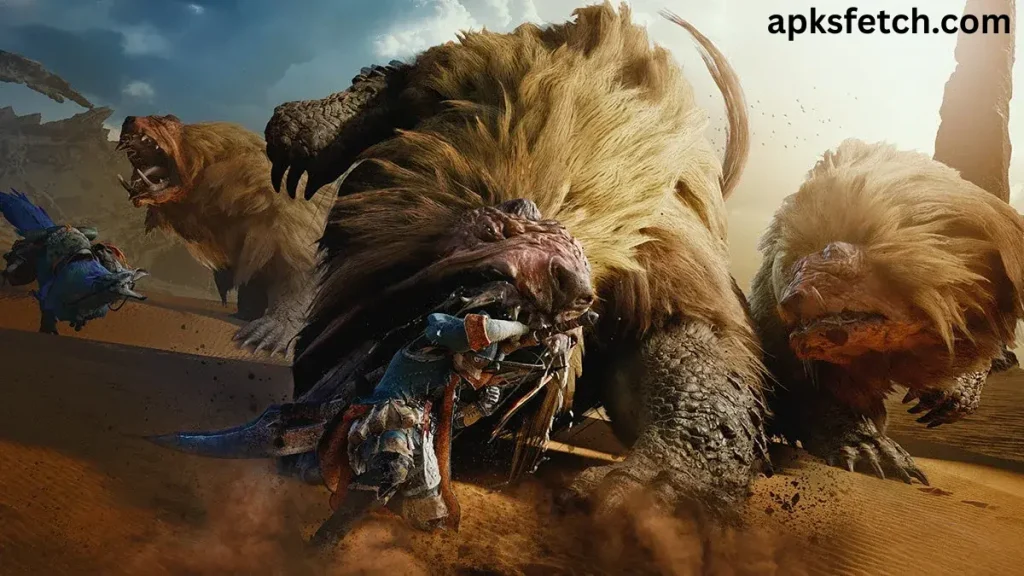
While character personalization may not be the main focus, the ability to shape your approach to gameplay is where the real flexibility lies.

Offline Use and Online Connectivity

Monster Hunter Wilds offers a mix of offline and connected features.

Offline play is available for core activities, allowing players to enjoy the game without constant internet access. This makes it more accessible in situations where connectivity is limited.

Online features enhance the experience rather than define it. Cooperative elements and shared activities can add variety, but they are not required to progress.

This balance ensures that players can engage with the game in different ways depending on their preferences.

Performance, Stability, and Compatibility

Performance is generally stable across modern devices in 2026. On higher-end devices, the experience feels smooth, with consistent frame rates and minimal loading interruptions.

On mid-range devices, performance remains acceptable, though occasional slowdowns may occur during more demanding moments.

Battery usage is moderate. Longer sessions will naturally consume more power, but the game avoids unnecessary background strain.

Stability is solid overall. Minor issues may appear occasionally, but nothing that significantly disrupts gameplay.

User Safety, Privacy, and Comfort

The game maintains a safe and comfortable environment. There are no intrusive systems or unnecessary permissions that would raise concerns.

Privacy practices follow standard expectations for modern games, focusing only on essential data.

The content is generally suitable for a wide audience. While there is action and combat, it remains within a controlled and non-disturbing presentation.

The pacing also contributes to comfort. Players can take breaks without feeling punished, which is important for long-term engagement.

Advantages of This Monster Hunter Wilds (Key Highlights)

  • Balanced and immersive gameplay experience
  • Gradual learning curve suitable for new players
  • Strong visual atmosphere without overwhelming effects
  • Thoughtful sound design that enhances immersion
  • Flexible play style with meaningful progression
  • Offline accessibility for core gameplay
  • Stable performance on most modern devices
  • Respectful pacing without pressure

Disadvantages of This Monster Hunter Wilds (Things to Consider)

  • Slower pace may not suit players looking for quick action
  • Requires patience to fully appreciate mechanics
  • Occasional performance dips on lower-end devices
  • Limited fast progression for players seeking instant rewards
  • Some systems take time to fully understand

How to Download and Install the Latest 2026 Version

Android

  • Open the Google Play Store
  • Search for Monster Hunter Wilds
  • Tap install and wait for the download to complete
  • Launch the game once installed

iOS

  • Open the Apple App Store
  • Search for Monster Hunter Wilds
  • Tap download and authenticate if required
  • Open the game after installation

PC (if supported)

  • Access official desktop gaming platforms
  • Search for Monster Hunter Wilds
  • Download and install through the platform
  • Launch from your library

My Review of This Monster Hunter Wilds

After spending time with Monster Hunter Wilds, what stands out most is its patience. It doesn’t try to impress instantly, and that works in its favor. The world feels steady and believable, and the gameplay loop encourages learning rather than rushing. There were moments where the pace felt slow, especially early on, but over time that same pacing became one of its strengths. The controls are reliable, the environments feel alive, and the progression system rewards attention rather than repetition. It’s not a game for quick sessions or constant action, but for players willing to engage with its rhythm, it offers a thoughtful and consistent experience that feels complete without needing to push beyond its limits.

Who Is This Monster Hunter Wilds Best Suited For?

This game is best suited for players who:

  • Enjoy slow, methodical gameplay
  • Appreciate detailed environments and atmosphere
  • Prefer skill-based progression over quick rewards
  • Like exploration combined with strategy
  • Want a game that can be played both offline and online

It may not appeal as strongly to those looking for fast-paced or highly competitive experiences.

Final Evaluation for Modern Users

For 2026, Monster Hunter Wilds presents a balanced and grounded experience that fits well within modern gaming expectations. It avoids unnecessary complexity while still offering depth, and it respects the player’s time without rushing them.

The keyword Monster Hunter Wilds represents more than just a title here—it reflects a design philosophy centered on patience, immersion, and gradual mastery. For players looking for a steady, thoughtful experience rather than instant excitement, it delivers something meaningful and consistent.

(FAQs) About OF Monster Hunter Wilds

1. Is Monster Hunter Wilds compatible with older devices?

It works best on modern devices, though some mid-range systems can run it with reduced performance.

2. Can I play Monster Hunter Wilds offline?

Yes, many core features are available offline, though some online elements enhance the experience.

3. Is the game difficult for beginners?

It starts gently, but mastering the mechanics takes time and practice.

4. Is Monster Hunter Wilds safe to play?

Yes, it follows standard safety and privacy practices without intrusive features.

5. Are the controls easy to learn?

Basic controls are simple, but advanced techniques require some learning.

6. Does the game stay interesting over time?

Yes, its progression and evolving gameplay keep it engaging for long-term players.

What's new

A Fresh Look at Mobile Gaming in 2026

In 2026, the expectations around gaming have shifted noticeably. Players now look for experiences that feel alive, responsive, and worth returning to—not just visually impressive, but emotionally engaging too. Monster Hunter Wilds steps into this landscape with a familiar foundation but a noticeably evolved approach.

At its core, this is a game about tracking, observing, and engaging with a dynamic world. It doesn’t rush you. Instead, it encourages patience and awareness. Whether you're exploring vast terrains or preparing for a hunt, the experience leans more toward immersion than speed. It feels less like a quick mobile distraction and more like a full, considered gaming session.

First-Time Experience: What Players Notice Immediately

The first moments in Monster Hunter Wilds are calm but intentional. There’s no overwhelming flood of menus or aggressive tutorials. Instead, the game introduces its systems gradually, letting players absorb the environment first.

New players will likely notice the scale right away. The world feels open, not just in size but in behavior. Creatures move naturally, weather shifts subtly, and your presence doesn’t dominate everything instantly. This creates a quiet sense of respect between player and environment.

The interface is clean and readable. Even if you’re new to this type of game, nothing feels overly complex at the start. It’s designed to ease players in rather than test them immediately.

Learning Flow and Interaction Design

The learning curve in Monster Hunter Wilds is steady rather than steep. Early encounters are forgiving, allowing you to experiment with movement, timing, and tools.

Controls feel responsive, which is crucial for a game built around precision. Attacks connect clearly, movement feels weighted but not slow, and feedback from actions—like hits or dodges—comes across naturally.

Interaction design also deserves attention. Menus are structured logically, and transitions between actions (like crafting or equipping gear) feel smooth. It’s not overly simplified, but it avoids unnecessary friction.

For players willing to invest time, the mechanics reveal depth gradually. This layered approach makes the experience feel rewarding without being overwhelming.

Visual Identity and Overall Atmosphere

Visually, Monster Hunter Wilds leans toward realism without becoming heavy or cluttered. Landscapes feel lived-in rather than decorative. Dust, wind, and lighting all contribute to a grounded atmosphere.

Character and creature designs are detailed but practical. Nothing feels exaggerated just for attention. Instead, there’s a focus on believability, even within a fantasy setting.

The overall atmosphere shifts depending on where you are. Some areas feel calm and open, while others create tension through lighting and sound cues. This variation keeps exploration engaging over time.

Audio Design and Background Experience

Sound design plays a quiet but important role here. Background audio is subtle—wind, distant movement, environmental tones—rather than constant music.

When music does appear, it usually supports specific moments like encounters or exploration milestones. It doesn’t overpower the experience.

Combat sounds are clear and satisfying. Each action has weight, and the feedback helps players understand timing and impact. This contributes to both immersion and gameplay clarity.

For longer sessions, the audio remains comfortable rather than tiring, which is often overlooked in many games.

Core Gameplay Activities and Variety

At its heart, Monster Hunter Wilds revolves around hunting and preparation. But within that loop, there’s a surprising amount of variety.

Players spend time:

  • Tracking creatures through environments
  • Preparing gear and items
  • Engaging in strategic combat
  • Exploring different regions
  • Managing resources

Each activity connects naturally to the next. You don’t feel like you're switching between unrelated tasks. Instead, everything feeds into a larger cycle of preparation and execution.

Over time, new elements are introduced, keeping the experience from becoming repetitive.

Progression System and Player Motivation

Progression is steady and meaningful. Instead of quick rewards, the game focuses on gradual improvement.

You unlock better equipment, refine your strategies, and become more efficient over time. This creates a sense of growth that feels earned rather than handed out.

Motivation comes from mastery rather than speed. You’re encouraged to learn patterns, improve timing, and adapt your approach. This makes each success feel satisfying.

There’s no pressure to rush. The game respects different play styles, whether you prefer slow exploration or focused progression.

Personalization and Control Options

Customization exists but stays grounded. You can adjust your equipment, choose different approaches to combat, and refine your play style.

Controls can be adjusted to suit different preferences, which is helpful for both beginners and experienced players. Sensitivity, layout, and interaction settings offer enough flexibility without becoming overwhelming.

While character personalization may not be the main focus, the ability to shape your approach to gameplay is where the real flexibility lies.

Offline Use and Online Connectivity

Monster Hunter Wilds offers a mix of offline and connected features.

Offline play is available for core activities, allowing players to enjoy the game without constant internet access. This makes it more accessible in situations where connectivity is limited.

Online features enhance the experience rather than define it. Cooperative elements and shared activities can add variety, but they are not required to progress.

This balance ensures that players can engage with the game in different ways depending on their preferences.

Performance, Stability, and Compatibility

Performance is generally stable across modern devices in 2026. On higher-end devices, the experience feels smooth, with consistent frame rates and minimal loading interruptions.

On mid-range devices, performance remains acceptable, though occasional slowdowns may occur during more demanding moments.

Battery usage is moderate. Longer sessions will naturally consume more power, but the game avoids unnecessary background strain.

Stability is solid overall. Minor issues may appear occasionally, but nothing that significantly disrupts gameplay.

User Safety, Privacy, and Comfort

The game maintains a safe and comfortable environment. There are no intrusive systems or unnecessary permissions that would raise concerns.

Privacy practices follow standard expectations for modern games, focusing only on essential data.

The content is generally suitable for a wide audience. While there is action and combat, it remains within a controlled and non-disturbing presentation.

The pacing also contributes to comfort. Players can take breaks without feeling punished, which is important for long-term engagement.

Advantages of This Monster Hunter Wilds (Key Highlights)

  • Balanced and immersive gameplay experience
  • Gradual learning curve suitable for new players
  • Strong visual atmosphere without overwhelming effects
  • Thoughtful sound design that enhances immersion
  • Flexible play style with meaningful progression
  • Offline accessibility for core gameplay
  • Stable performance on most modern devices
  • Respectful pacing without pressure

Disadvantages of This Monster Hunter Wilds (Things to Consider)

  • Slower pace may not suit players looking for quick action
  • Requires patience to fully appreciate mechanics
  • Occasional performance dips on lower-end devices
  • Limited fast progression for players seeking instant rewards
  • Some systems take time to fully understand

How to Download and Install the Latest 2026 Version

Android

  • Open the Google Play Store
  • Search for Monster Hunter Wilds
  • Tap install and wait for the download to complete
  • Launch the game once installed

iOS

  • Open the Apple App Store
  • Search for Monster Hunter Wilds
  • Tap download and authenticate if required
  • Open the game after installation

PC (if supported)

  • Access official desktop gaming platforms
  • Search for Monster Hunter Wilds
  • Download and install through the platform
  • Launch from your library

My Review of This Monster Hunter Wilds

After spending time with Monster Hunter Wilds, what stands out most is its patience. It doesn’t try to impress instantly, and that works in its favor. The world feels steady and believable, and the gameplay loop encourages learning rather than rushing. There were moments where the pace felt slow, especially early on, but over time that same pacing became one of its strengths. The controls are reliable, the environments feel alive, and the progression system rewards attention rather than repetition. It’s not a game for quick sessions or constant action, but for players willing to engage with its rhythm, it offers a thoughtful and consistent experience that feels complete without needing to push beyond its limits.

Who Is This Monster Hunter Wilds Best Suited For?

This game is best suited for players who:

  • Enjoy slow, methodical gameplay
  • Appreciate detailed environments and atmosphere
  • Prefer skill-based progression over quick rewards
  • Like exploration combined with strategy
  • Want a game that can be played both offline and online

It may not appeal as strongly to those looking for fast-paced or highly competitive experiences.

Final Evaluation for Modern Users

For 2026, Monster Hunter Wilds presents a balanced and grounded experience that fits well within modern gaming expectations. It avoids unnecessary complexity while still offering depth, and it respects the player’s time without rushing them.

The keyword Monster Hunter Wilds represents more than just a title here—it reflects a design philosophy centered on patience, immersion, and gradual mastery. For players looking for a steady, thoughtful experience rather than instant excitement, it delivers something meaningful and consistent.


(FAQs) About OF Monster Hunter Wilds

1. Is Monster Hunter Wilds compatible with older devices?
It works best on modern devices, though some mid-range systems can run it with reduced performance.

2. Can I play Monster Hunter Wilds offline?
Yes, many core features are available offline, though some online elements enhance the experience.

3. Is the game difficult for beginners?
It starts gently, but mastering the mechanics takes time and practice.

4. Is Monster Hunter Wilds safe to play?
Yes, it follows standard safety and privacy practices without intrusive features.

5. Are the controls easy to learn?
Basic controls are simple, but advanced techniques require some learning.

6. Does the game stay interesting over time?
Yes, its progression and evolving gameplay keep it engaging for long-term players.


I prefer this response